BOTSWANA
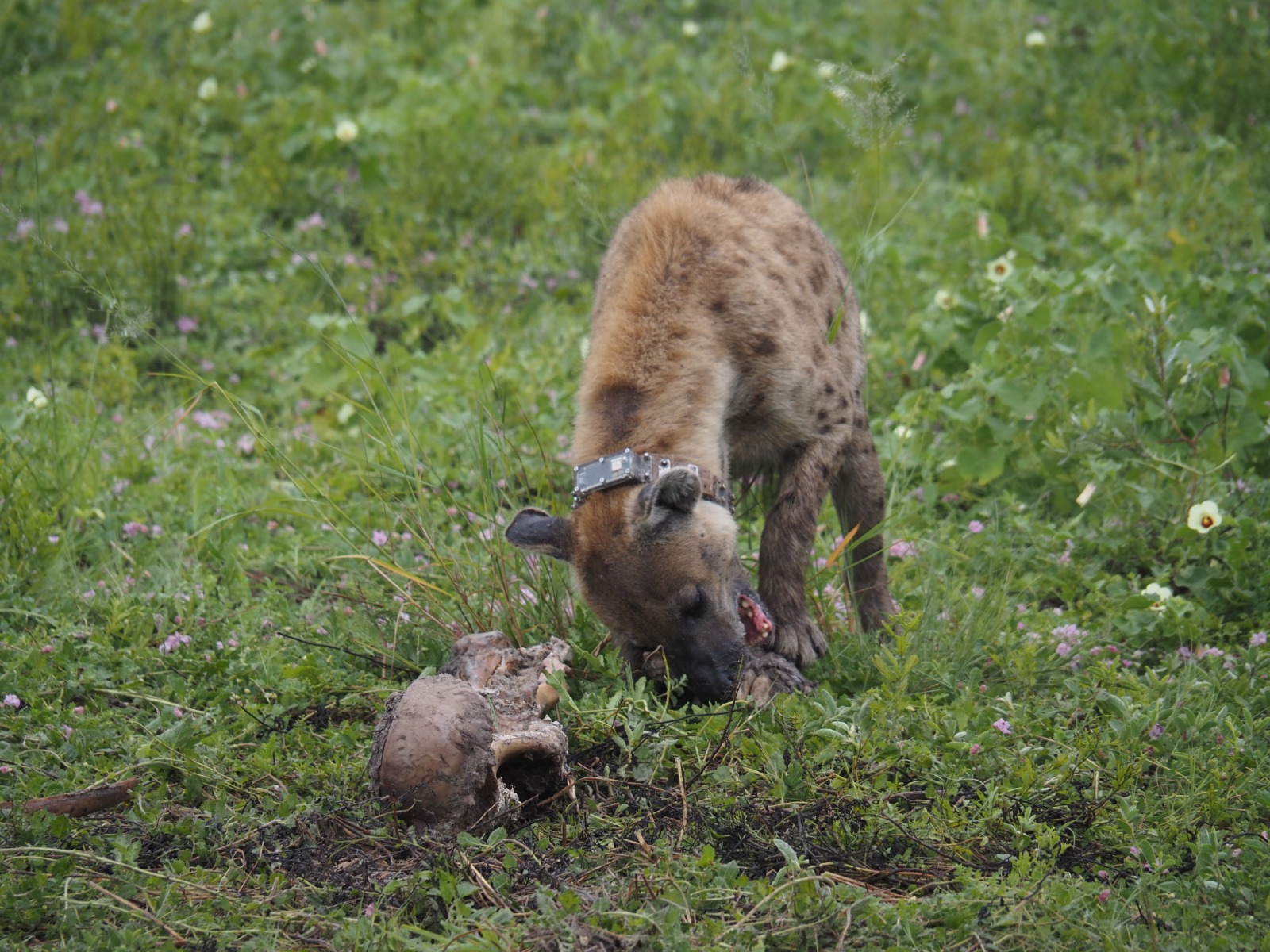
Spotted hyena
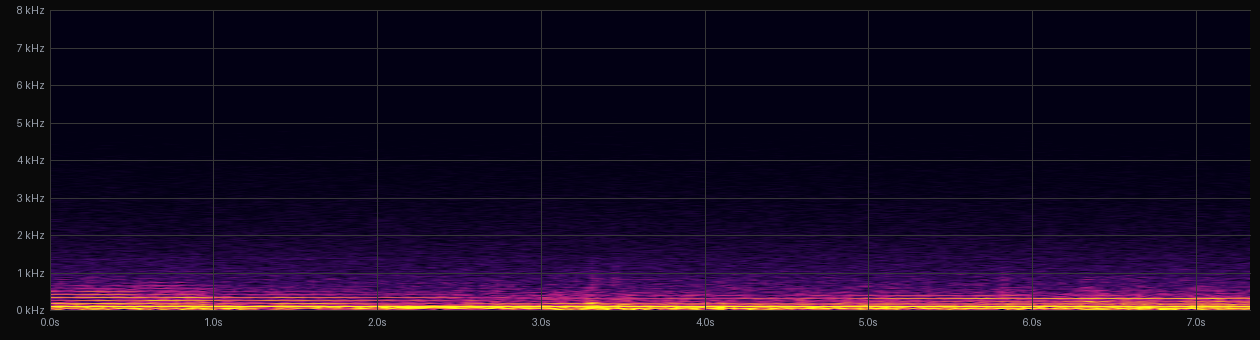
With wildlife ecologist Rohan Wadhwa (University of Georgia), studying movement and human–wildlife conflict. Three weeks of continuous nocturnal acoustic data.
GPS tells you where an animal goes. CollarID tells you what it’s doing, hearing, and breathing — at full duty cycle, for the length of the deployment.
Synchronized audio, motion, and GPS on the same animal — behavior comes from direct measurement, not from guessing it out of movement alone.
Continuous field audio captures the unusual events alongside the common ones — the training data triggered recorders can’t collect.
Particulate, gas, temperature, and humidity on the same timeline as movement and vocalization — exposure and its consequences in one file.
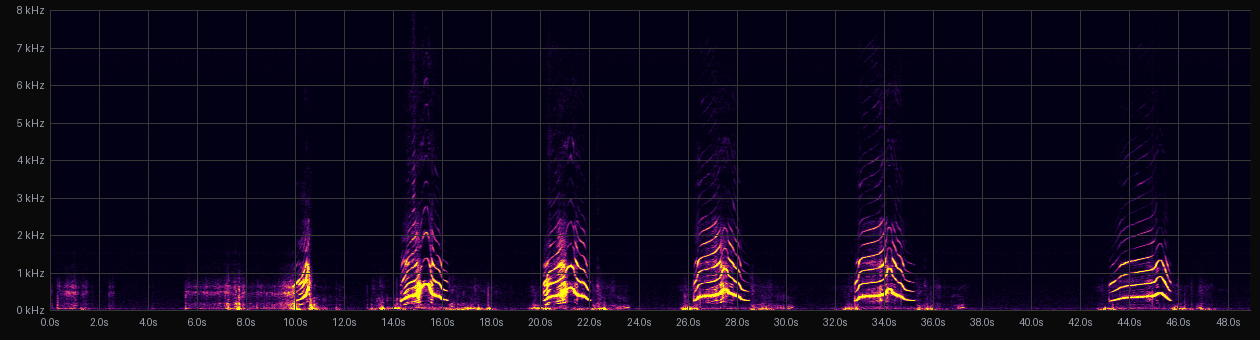
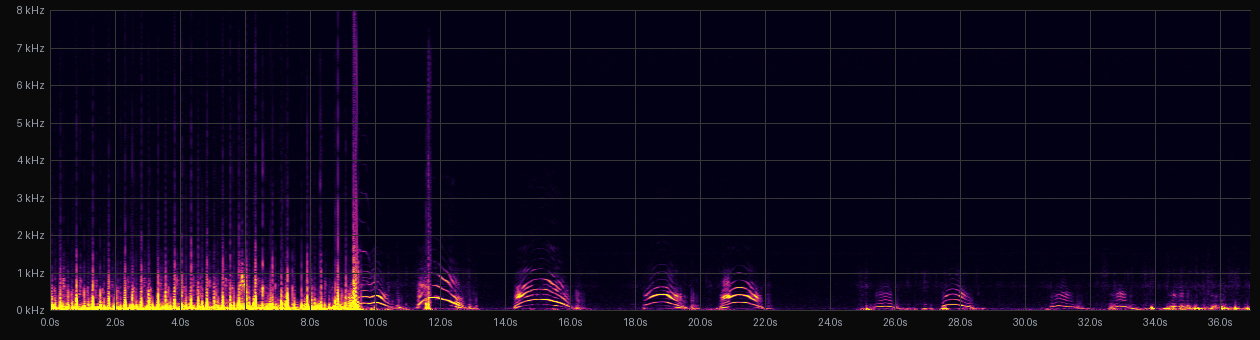
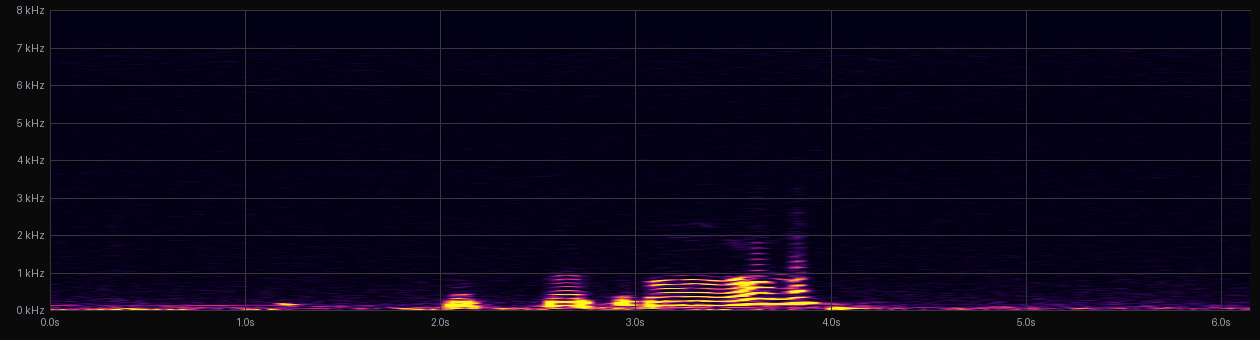
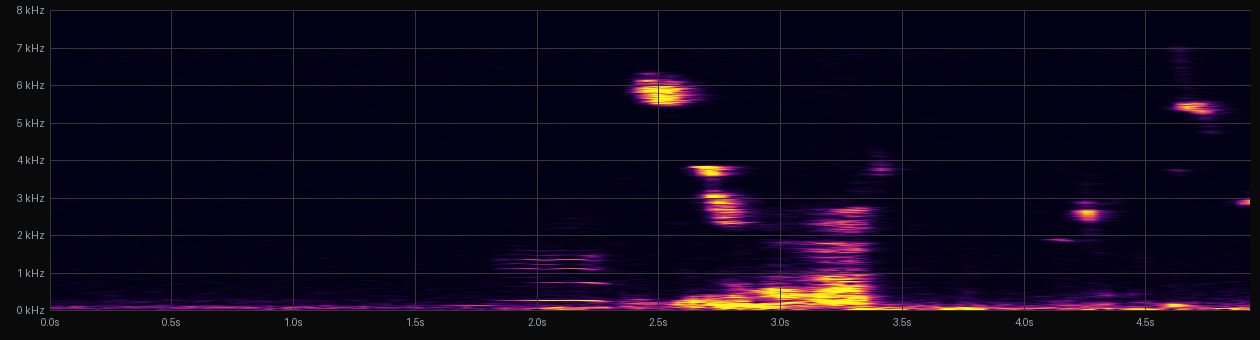
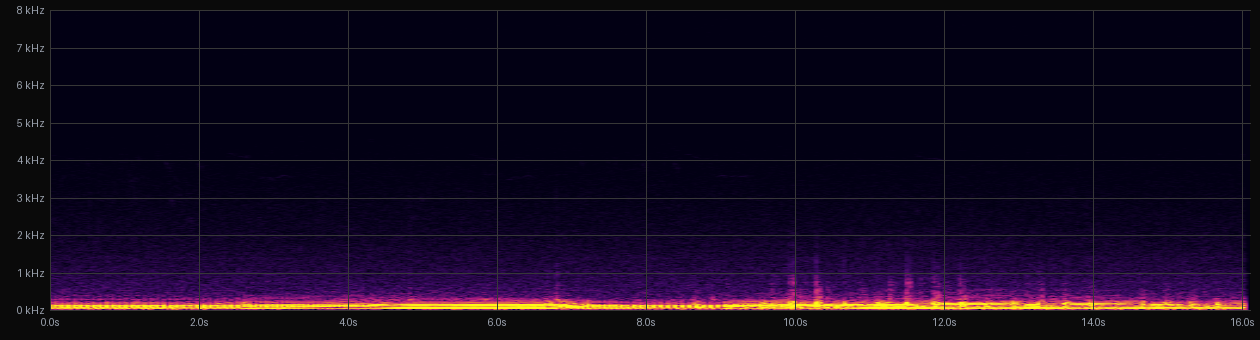
CollarID’s acoustic system — tuned with acoustic experts at MIT and in industry — records what existing platforms miss entirely. A few clips straight off the collar:
Every subsystem is captured on the same timeline, from the same collar — and any of them can be switched off, so the collar is tailored to each study’s questions and power budget.
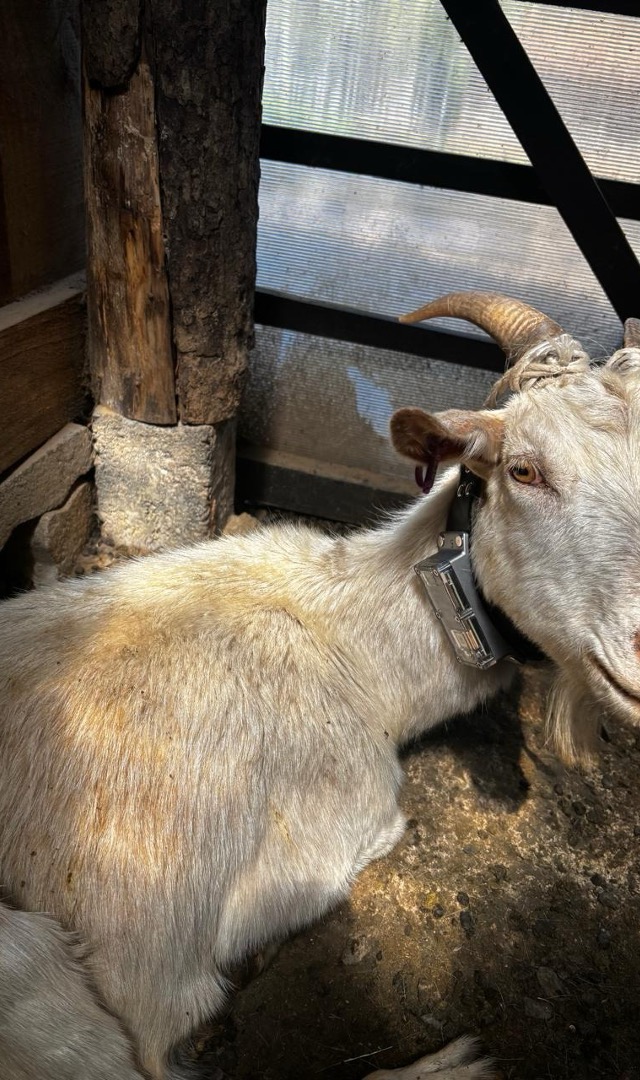
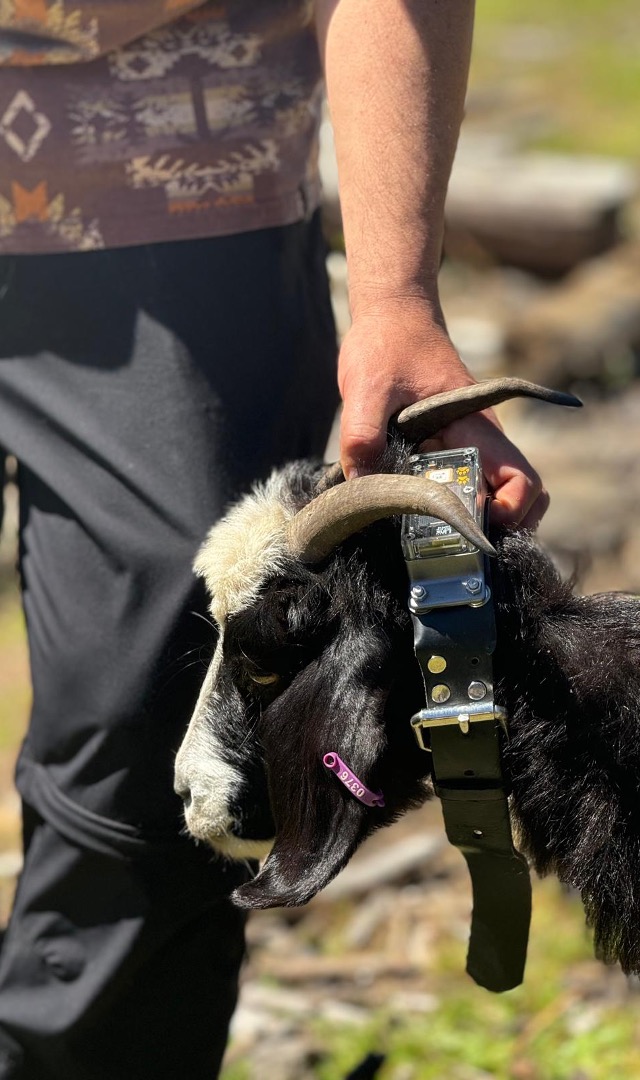
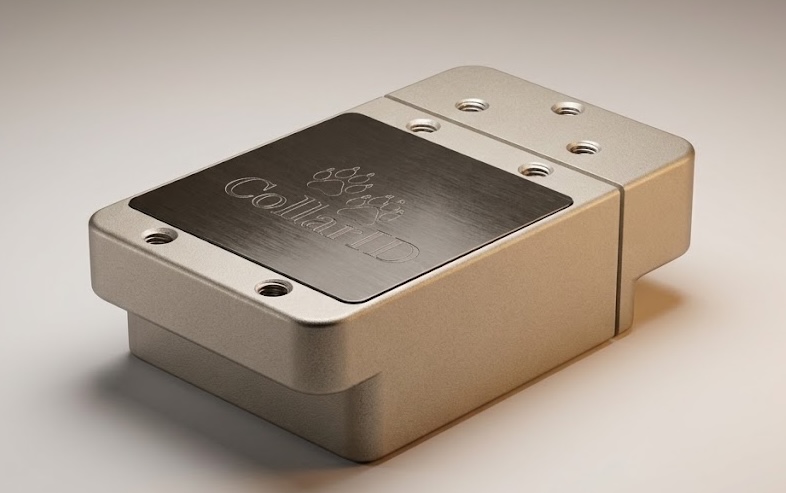
A conventional research collar in this category weighs 1–2 kg — most of it battery. CollarID Mk II runs 150 g, on solar, at fix rates several times finer than convention — and it’s built to take the abuse of the field: lion and hyena bites, and pressurized-water washdown.
Total weight, with multi-modal sensors and continuous bioacoustics — vs 1–2 kg typical for year-long collars.
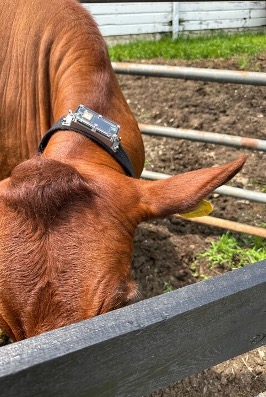
A context-aware GPS fix rate that adjusts to live activity patterns — field-validated at a fixed 5-minute cadence on free-grazing cattle, several times finer than the ~4 h convention.
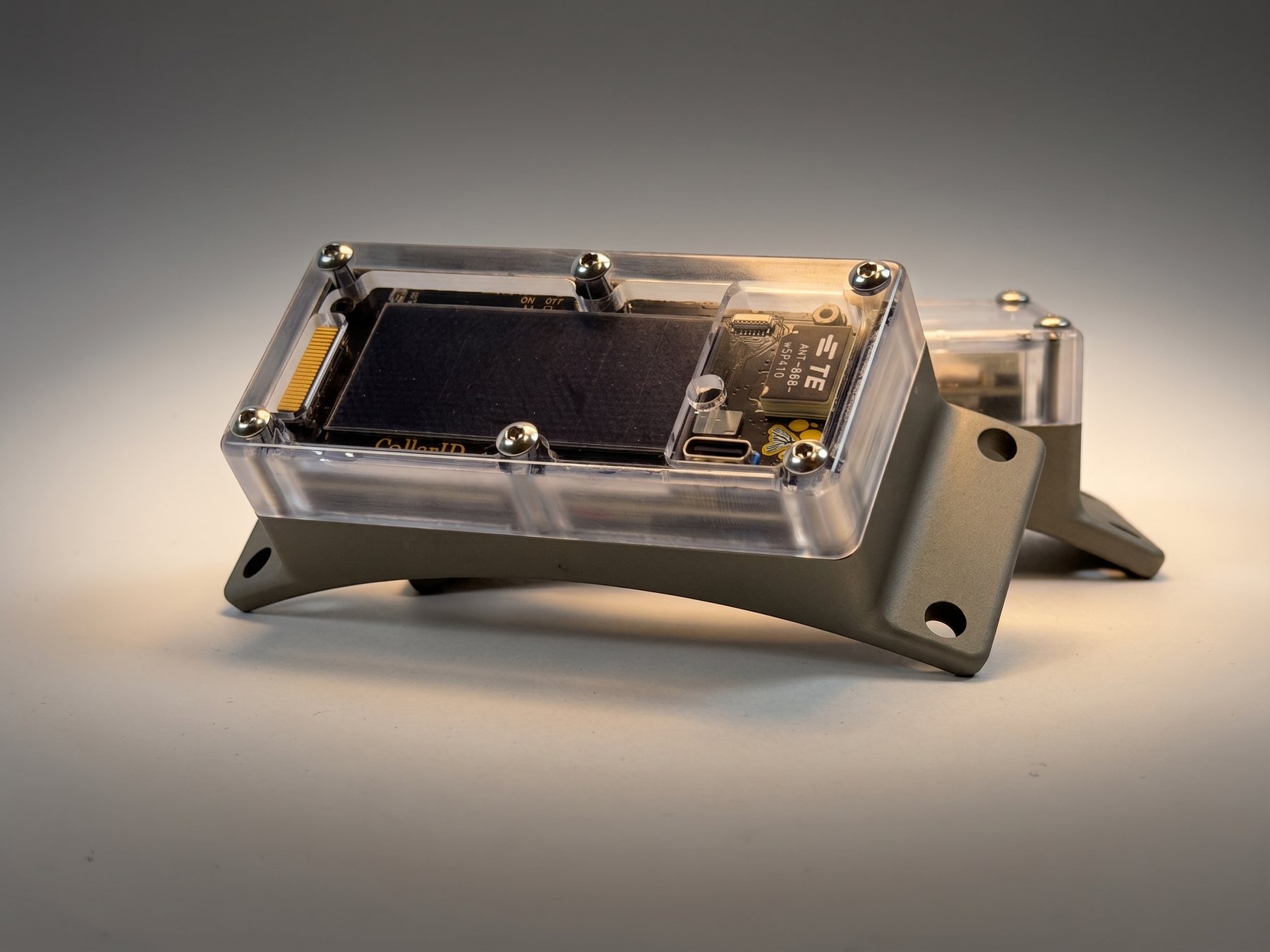
Polycarbonate cover and machined aluminum base, validated with FEA against lion and hyena bite forces — and a gasket-sealed enclosure that survived repeated pressurized-water testing with no ingress.
A detachment mechanism now being piloted: release the collar on a schedule — or on command, through a paired MkII Mesh CollarID — no recapture, no darting. No CollarID required — it runs fully standalone on any collar, and pairing one adds remote control.
Piloting now — ask about early access →
On wild and domestic animals across several continents. Deployments are ongoing, with many more about to begin alongside researchers around the world — and every one returns real data that refines the platform.
ALSO IN THE FIELDDomestic dogs in Indigenous communities in Kenya, with Stephanie Mitchell, doctoral candidate in Environmental Health Sciences at the University of Washington.
STARTING SOONWolves, horses, lions, deer and more hyenas, plus a few we’ve been asked not to mention yet. If your species isn’t on the list, write to us. It usually can be.
Designed by Patrick Chwalek, PhD, CollarID was developed at the MIT Media Lab in collaboration with Kioxia, MIT researchers, and in consultation with National Geographic and the wider conservation community. The Mk II builds on thousands of hours of field data — an optimized architecture, lower assembly cost, and a larger solar panel for extended autonomous operation.
Researcher, conservation organization, or funder — we’d like to hear from you. Mk II collars are available for purchase. We quote per deployment, because the right setup depends on your species, your site and how many animals you are following, and we are available for a consult before you commit to anything: write to us with what you have in mind and we will come back with a plan and a quote.
Request a quoteOccasional email updates on the firmware, the hardware, and what is coming next. Written by Patrick. Read past issues.