CollarID
A New Lens on Life

Moving beyond location to capture the why of wildlife behavior through multi-modal, context-aware sensing.

Explore the Tech

The Mission: Beyond GPS

Traditional GPS tells us where an animal goes, but leaves behavior and environmental context ambiguous. CollarID closes the data gap.

Pervasive Acoustic Intelligence

Capturing high-fidelity bioacoustics through continuous, long-term recording and intelligent, context-aware triggers. This allows for the collection of massive datasets for analysis and machine learning training. By using other onboard sensors—such as the 3-axis accelerometer—to trigger recording during specific behaviors like movement or vocalizations, CollarID ensures critical acoustic events are never missed.

Multi-Modal Behavioral Insight

Moving beyond simple tracking by fusing high-sensitivity GPS location with high-resolution inertial metrics. By synchronizing movement and posture data with bioacoustic signatures, the platform provides a detailed picture of animal activity—distinguishing between foraging, socializing, and resting.

Microclimatic & Environmental Context

Recording temperature, humidity, and air pressure second-by-second to map the exact conditions an animal experiences in its microhabitat. This suite also includes novel air quality sensing, making CollarID the first animal-borne logger capable of detecting particulate matter from wildfire smoke or anthropogenic pollutants directly from the animal's perspective.

Location-Only Data

  • Limited behavioral context
  • Ambiguous environmental conditions
  • No direct health indicators

Holistic Sensing

  • GPS + Behavioral + Environmental data
  • Real-time microclimatic context
  • Direct air quality exposure metrics

Hardware Specifications

Designed for durability and long-term autonomous operation in field conditions.

Mechanical Housing

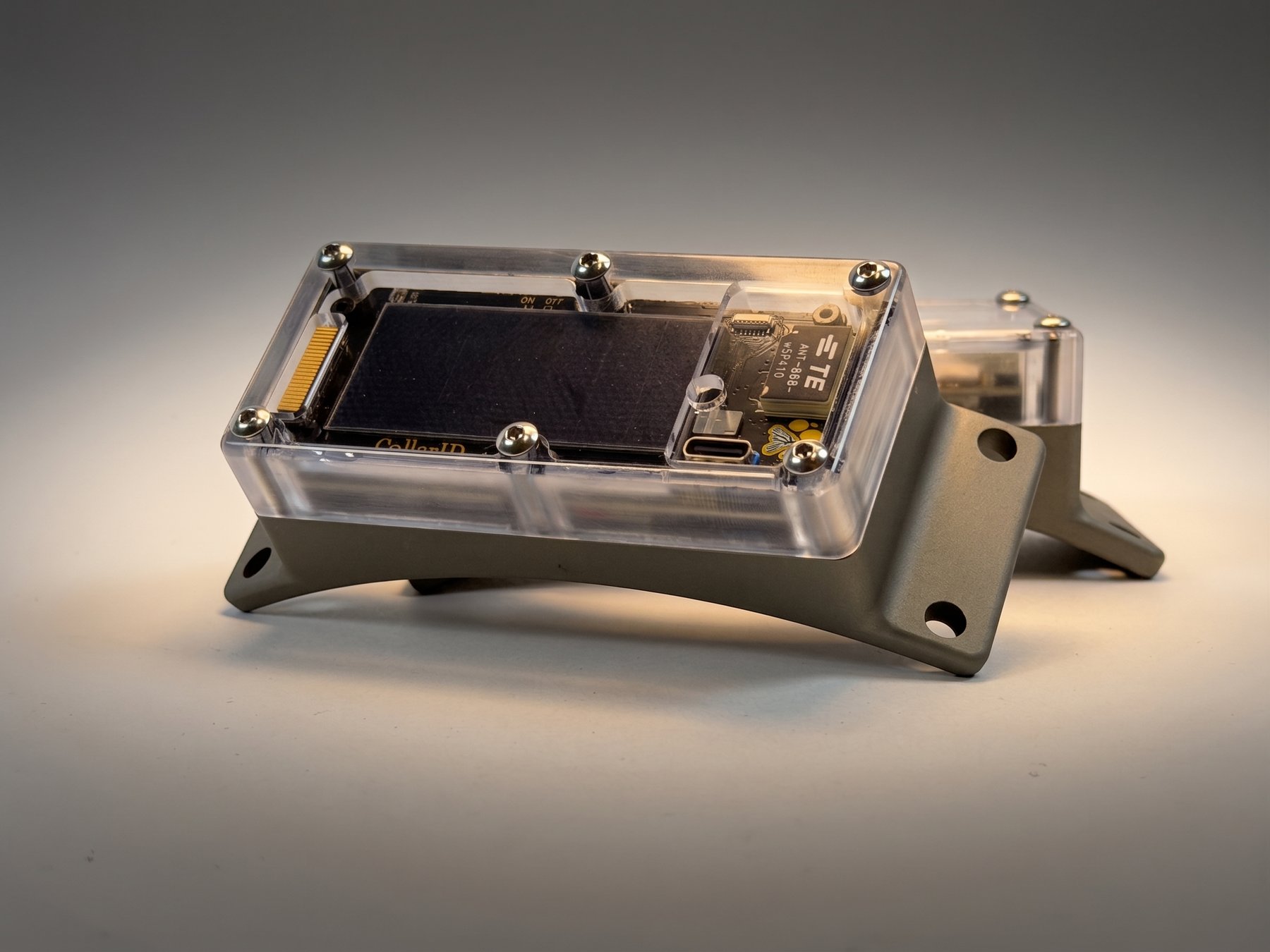
Designed for durability. Validated using Finite Element Analysis (FEA) against the bite force of a lion.

Durability Validated

Waterproof and resilient through environmental chamber testing. Polycarbonate top and anodized aluminum base provide protection.

Power Autonomy

Integrated solar harvesting paired with an intelligent hibernation protocol for multi-year deployments.

Communication

Low-power, long-range LoRaWAN telemetry with planned Argos Satellite integration for true global autonomy.

Multi-Modal Sensors

GPS, high-fidelity bioacoustics, IMU, temperature, humidity, pressure, and particulate matter sensing.

Finite Element Analysis

FEA simulations validate structural integrity, ensuring the device can withstand the physical demands of tracking wild animals like lions and hyenas.

Acoustic Recordings

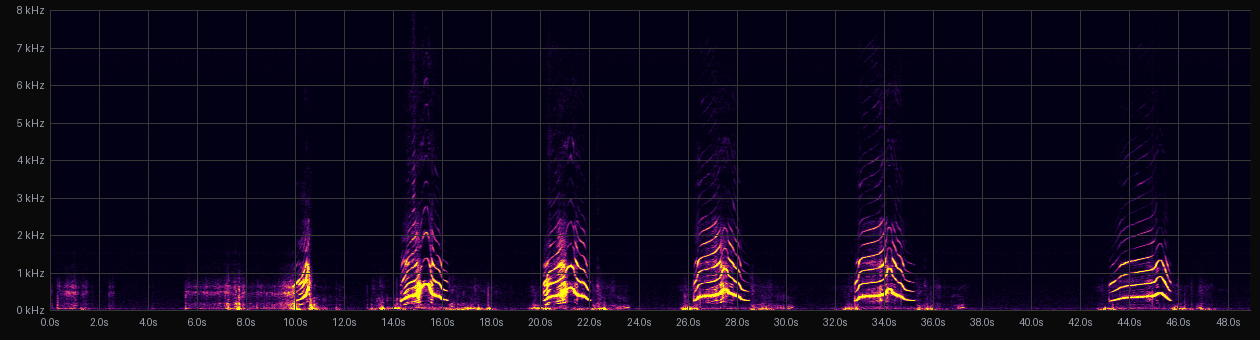
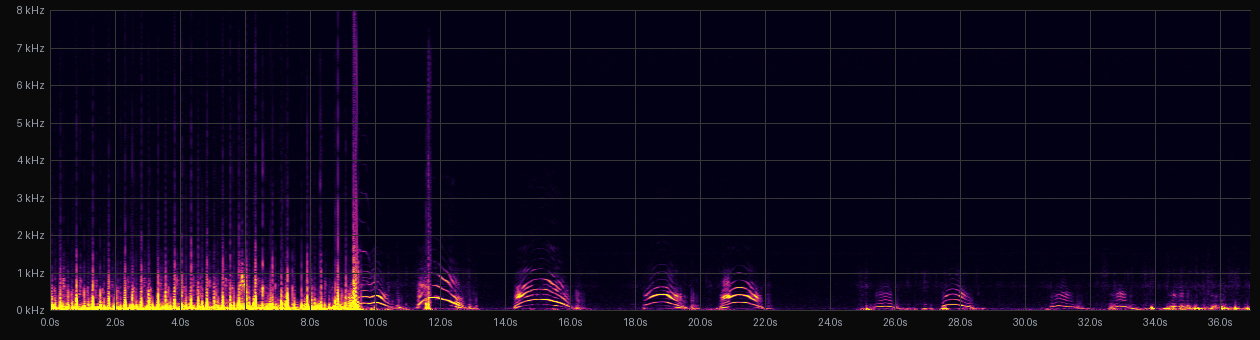
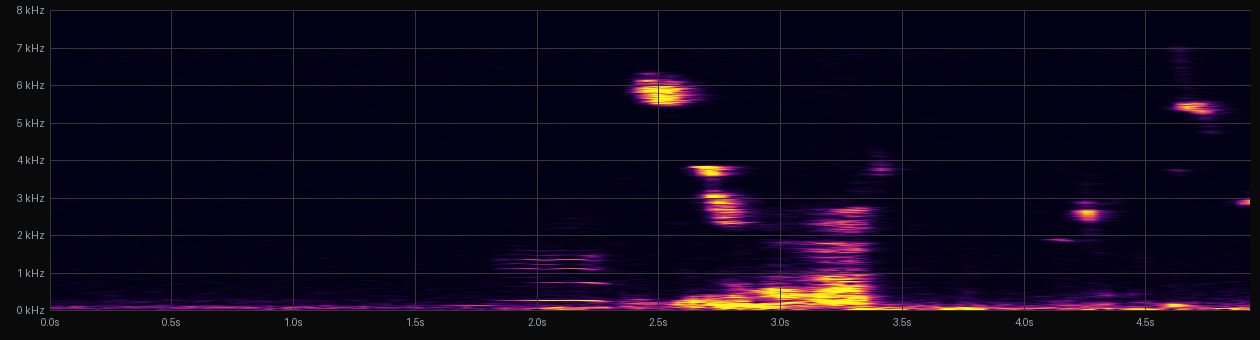
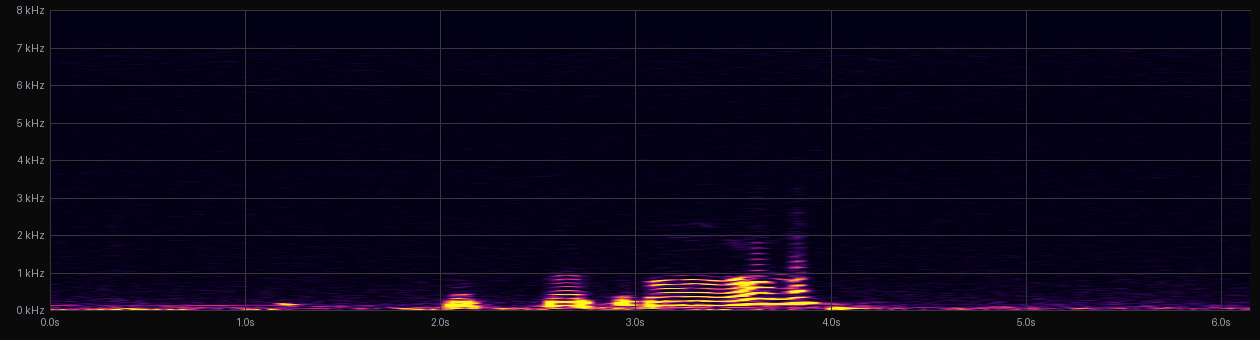
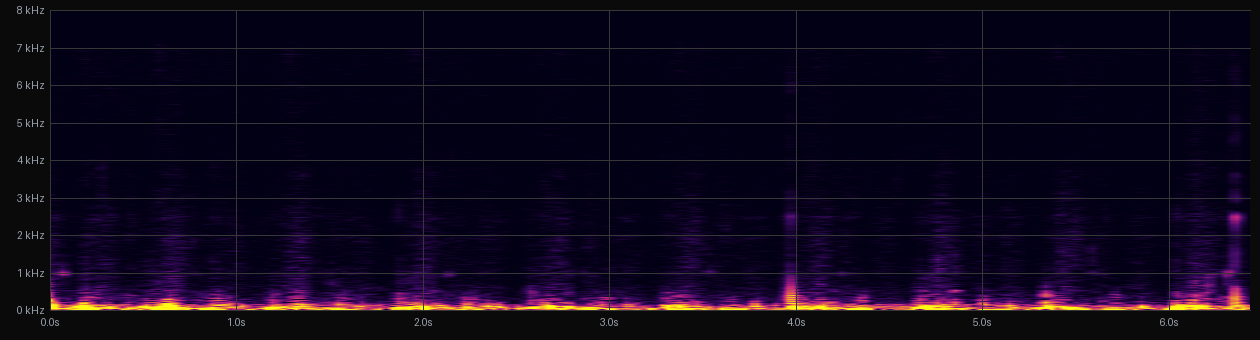
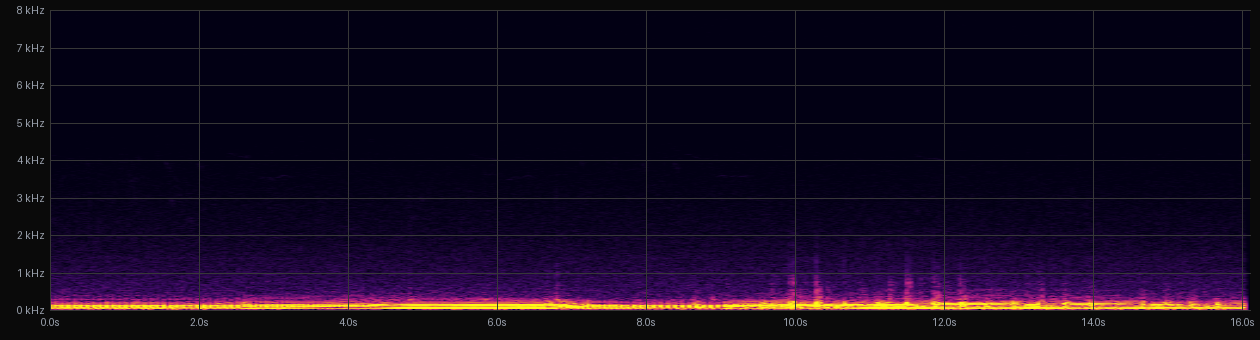
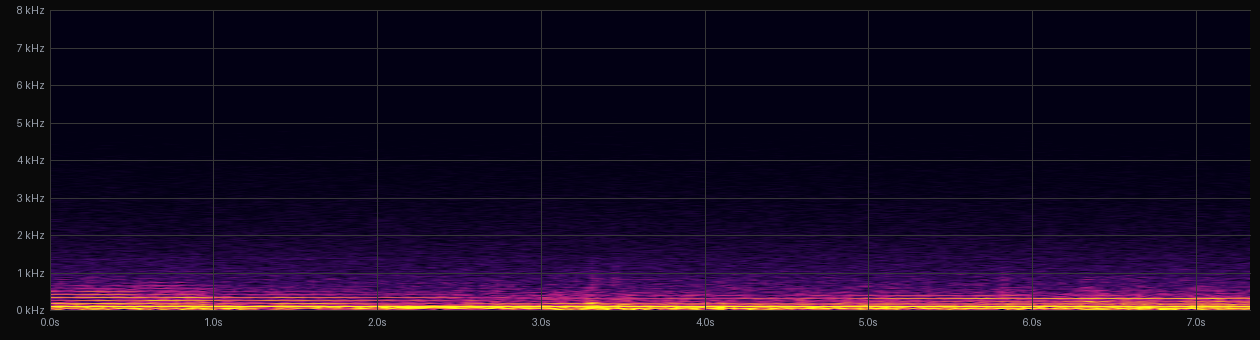
The CollarID system includes high-quality microphones that capture environmental sounds and vocalizations. Below are example recordings from field deployments with their frequency spectrum (STFT) visualizations.

Cow Mooing and Bird Chirping

STFT spectrogram of cow mooing and bird chirping

Cow Bawling

STFT spectrogram of cow bawling

Cow Walking

STFT spectrogram of cow walking

All-Terrain Vehicle

STFT spectrogram of all-terrain vehicle

Plane

STFT spectrogram of plane

The Mk II Frontier

Active deployments across wild and domestic species

Current Project Scope

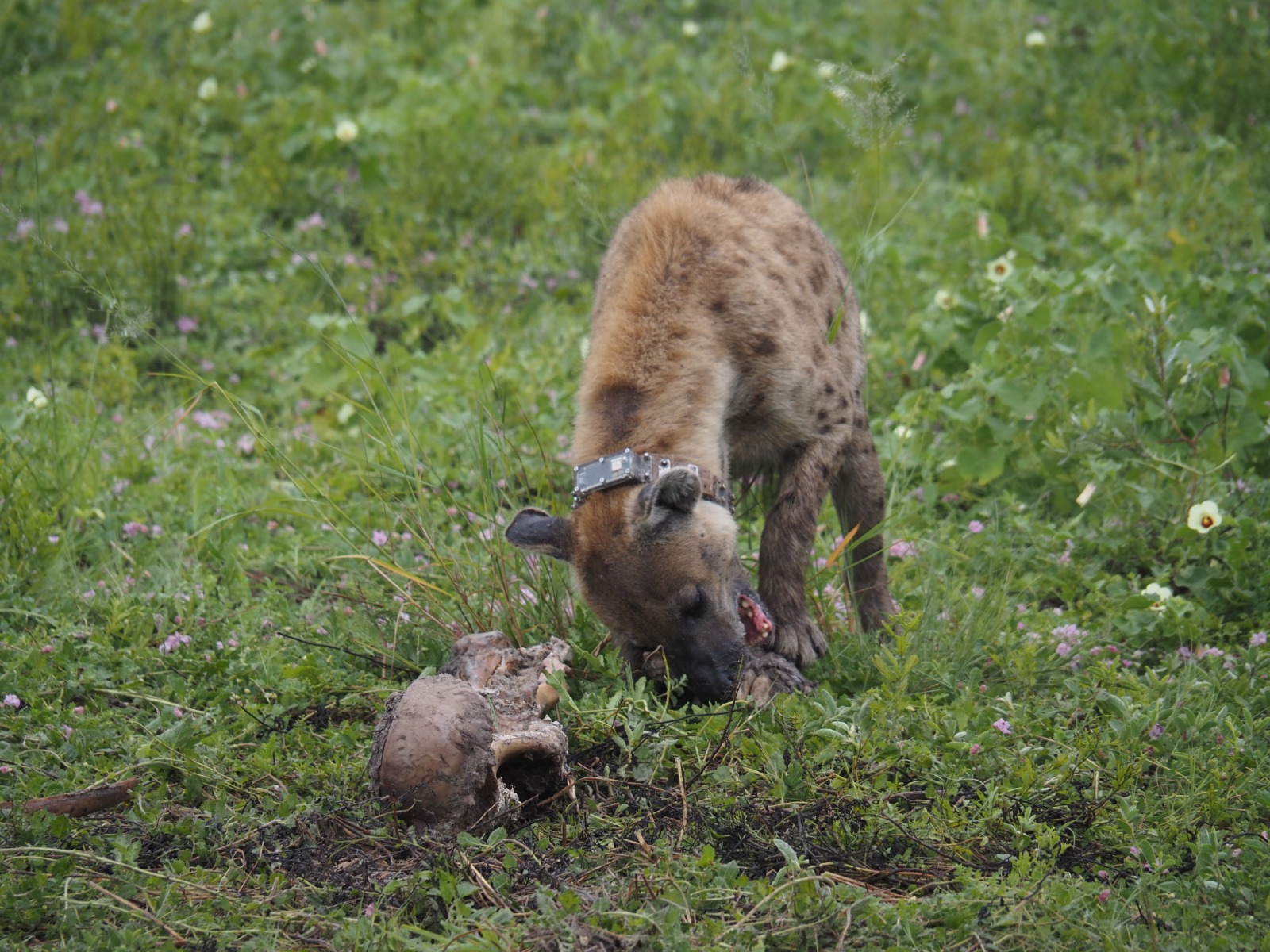
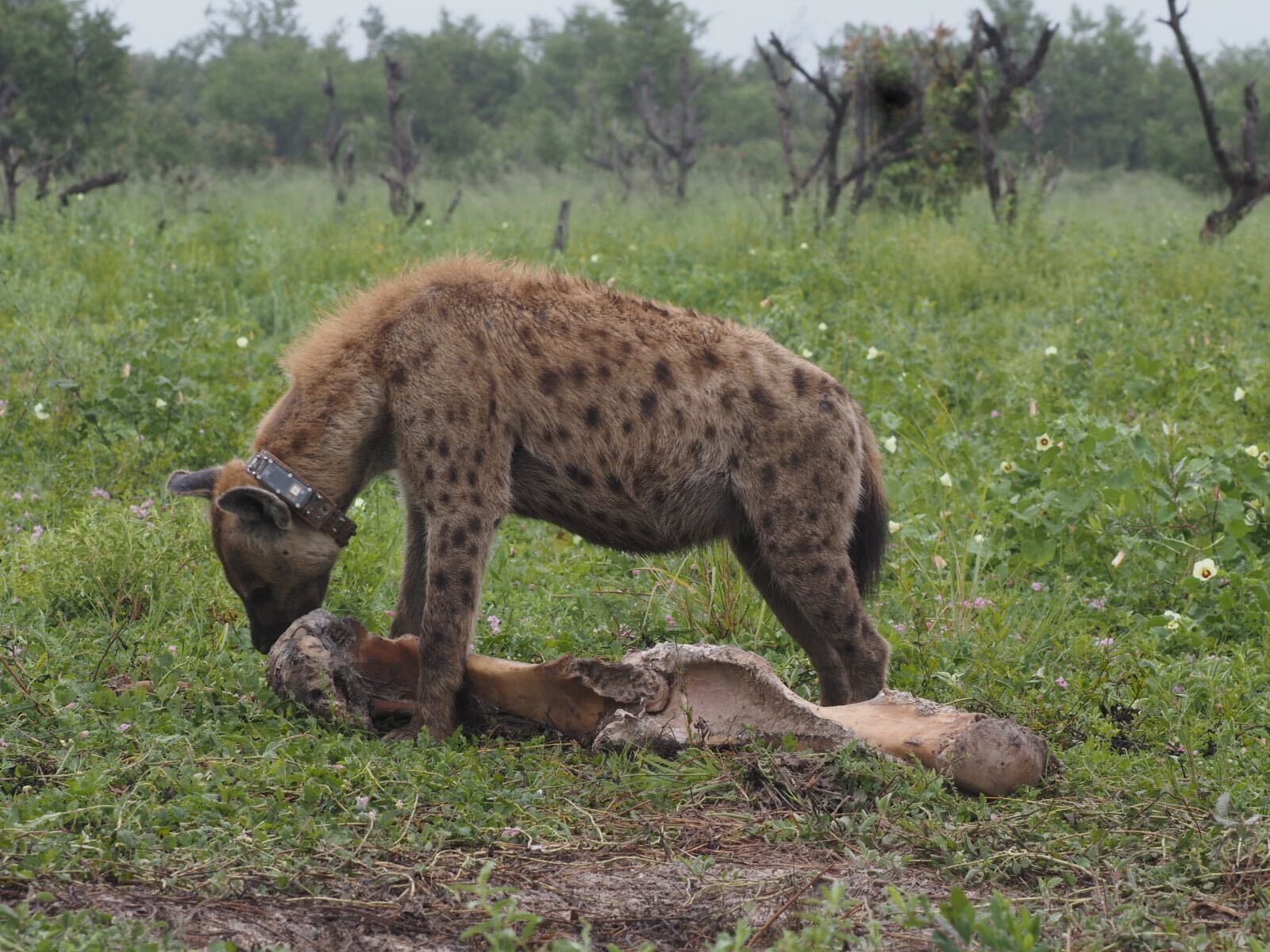
We are currently active in deploying CollarIDs for wild lions and hyenas, as well as domestic dogs. The CollarID Mk II platform continues to be optimized for large-scale field deployments across diverse species and environments.

Active Deployments

Currently deploying CollarID systems on wild lions and hyenas in conservation settings, as well as domestic dogs for research and monitoring applications.

Ongoing Optimization

Continuous refinement of sensor accuracy, power efficiency, and communication reliability based on real-world deployment data and field feedback.

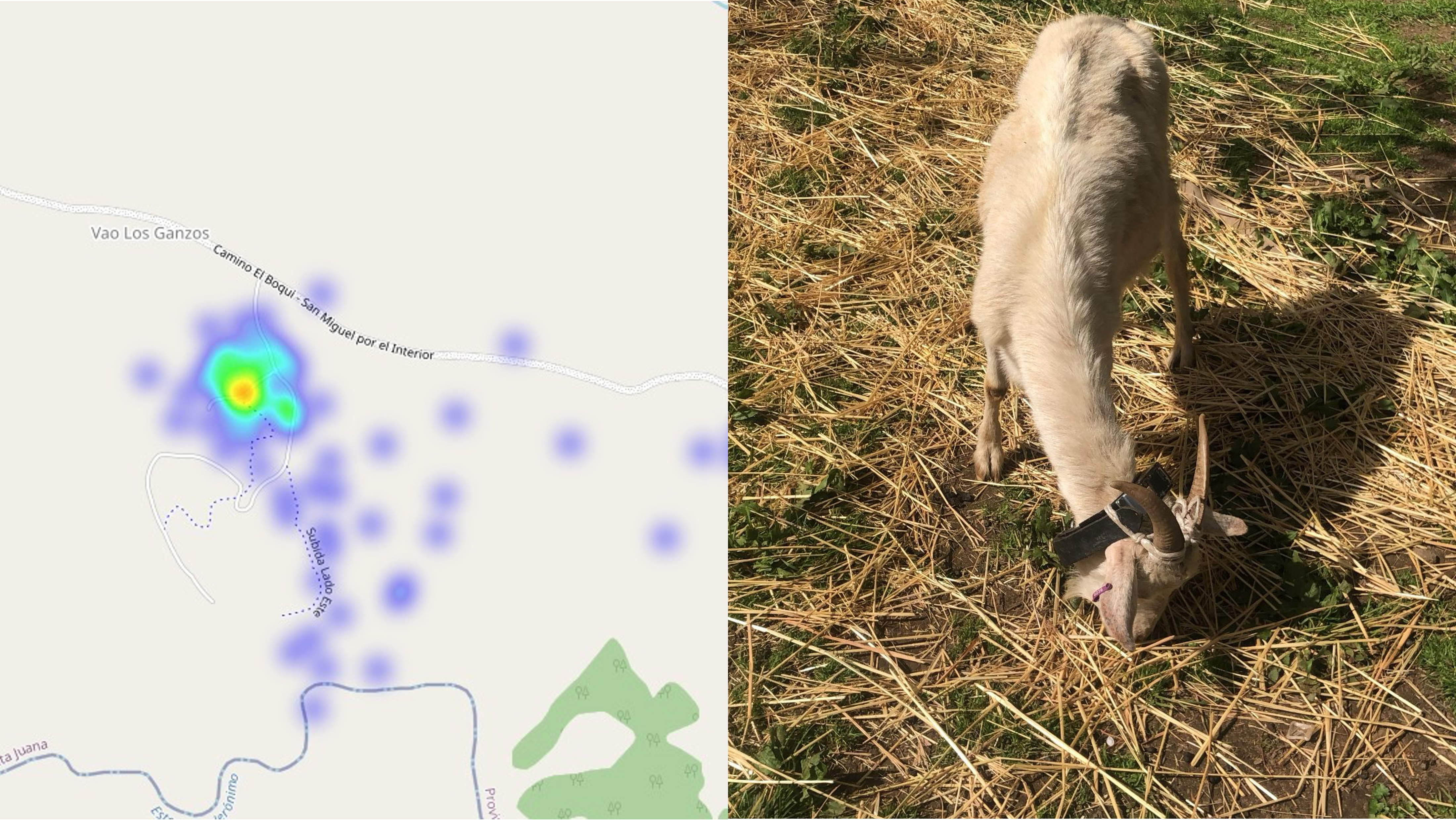
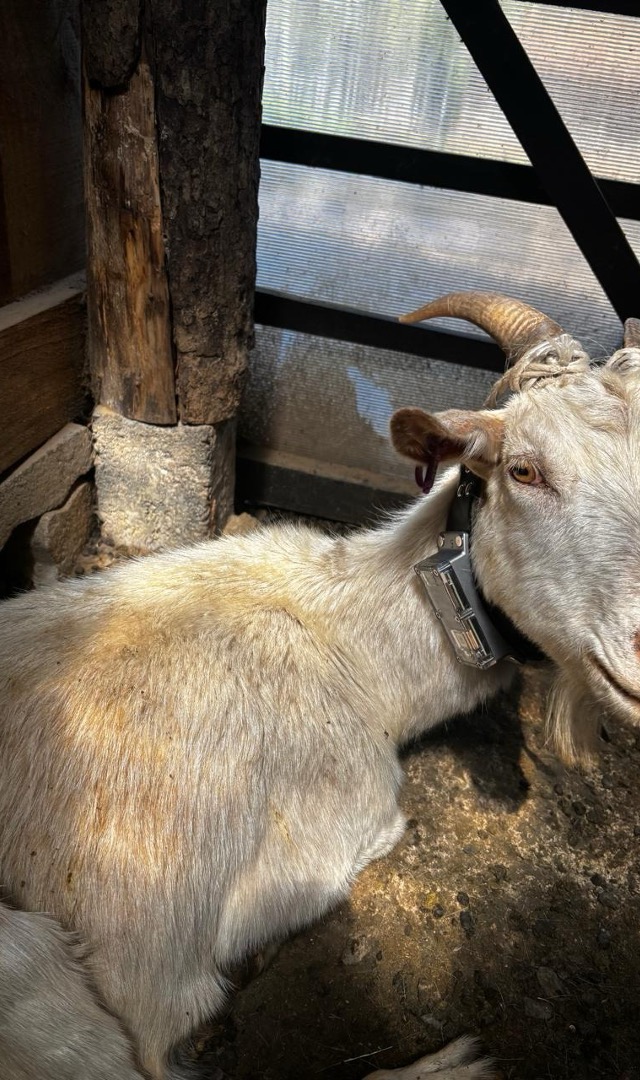
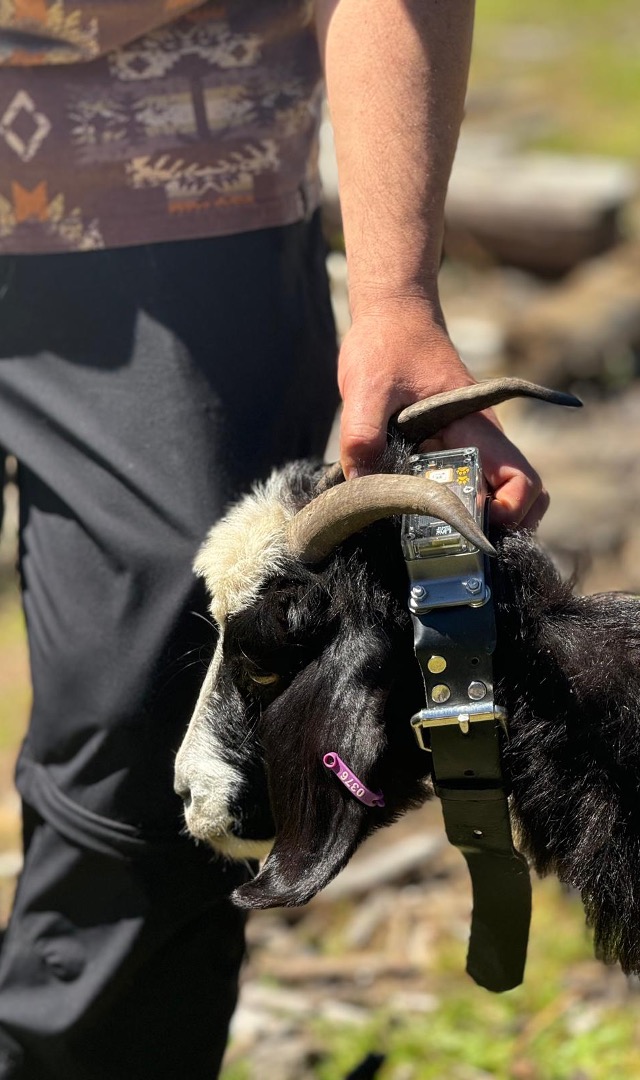
Goat Deployment - Chile

CollarID deployment on goats
CollarID deployment on goat

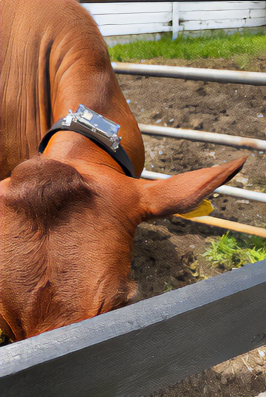
Cattle Deployment

CollarID deployment on cattle

Get in Touch

Interested in deploying CollarID for your research? Let's discuss how multi-modal sensing can advance your wildlife studies.

Contact Us